Modern business phone services have transformed from basic landlines to dynamic, internet-based platforms that redefine professional communication. With features like VoIP, auto-attendants, and mobile integration, companies can project a polished image, improve efficiency, and scale effortlessly. But as these systems grow smarter with AI-driven call routing, personalized greetings, and seamless video conferencing, the question arises: how will these advancements shape the future of connectivity? Will the integration of 5G, quantum encryption, and intelligent analytics create a new era of ultra-secure, highly responsive communication ecosystems? The shift towards cloud-based solutions offers unmatched flexibility, yet challenges like cybersecurity and infrastructure reliability persist. As organizations embrace these innovations, they unlock unprecedented opportunities for growth and resilience—but only if they adapt swiftly to an ever-evolving digital landscape. How will businesses position themselves to stay ahead in this rapidly changing world of professional connectivity?
Article Contents
Elevate Your Business Communication with FiberConX’s Reliable Phone Service for Business in Canada
Discover how FiberConX Communications offers top-tier phone service for business in Canada, specializing in VoIP and IP business phone solutions. Enhance your communication system with features like voicemail, IVR, ring groups, and voicemail-to-mail, ensuring seamless connectivity and professional customer interactions. Whether you need a scalable phone system or advanced call management tools, FiberConX has you covered. Contact their expert team at [email protected] or call 1.416.945.9210 to learn more about tailored solutions that fit your business needs and boost efficiency.
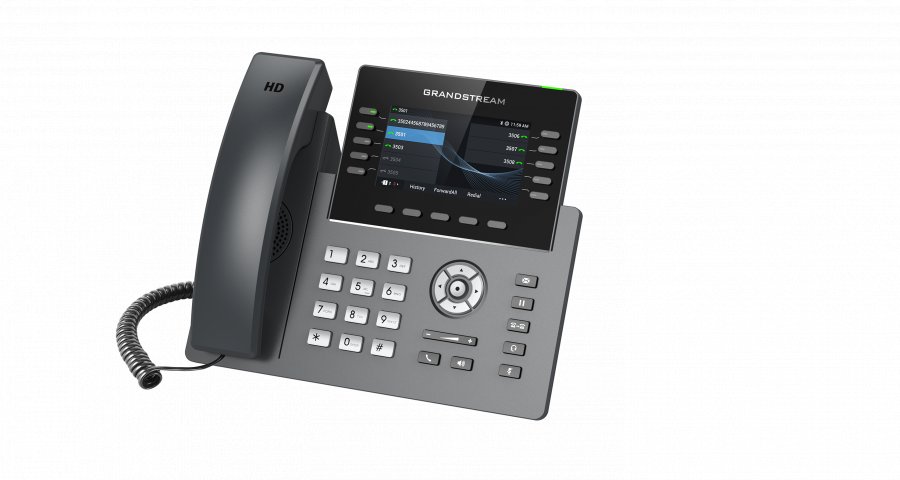
Revolutionizing Business Communication: From Landlines to Cloud-Based Systems
Modern business phone services have come a long way from the days of traditional landlines. Back then, companies relied on fixed copper wires, which made scaling and adapting to new needs slow and costly. As technology advanced, so did the way organizations communicate. Voice over Internet Protocol (VoIP) revolutionized business telephony by allowing calls to travel over the internet, making communication more flexible, cost-effective, and scalable. This shift opened the door for businesses of all sizes to adopt more dynamic and efficient systems.
Today’s organizations depend heavily on cloud-based platforms that support real-time features like call forwarding, voicemail-to-email, and video conferencing. These tools enable teams to stay connected from anywhere—whether in the office, working remotely, or on the go. Moving to internet-based systems also means adding or removing lines and services is quick and easy, without the need for physical hardware. This flexibility is especially valuable for growing companies aiming to keep pace with market demands.
Beyond technology, modern business phone services help organizations project a professional image. Features such as auto-attendants, customizable greetings, and intelligent call routing ensure that customer interactions are smooth, polished, and consistent. Even small businesses can leverage these capabilities to appear larger and more established, building trust and credibility with clients. These tools make it possible to deliver reliable, high-quality service at every touchpoint.
Security and compliance are now integral to these systems. Modern solutions incorporate encryption, call recording, and data protection measures that safeguard sensitive information and help meet industry regulations. These features are not just safeguards—they’re strategic assets that build customer trust and protect organizational integrity in an increasingly digital landscape. As remote work becomes the norm, cloud-based platforms also support hybrid models by enabling secure, seamless communication from any location.
Switching from traditional landlines to internet-based systems isn’t just a technological upgrade; it’s a strategic move towards resilience and growth. These services support scalable, flexible, and secure communication infrastructures that adapt as organizations expand or face changing market conditions. In a world where quick response and professional presentation are vital, modern business phone systems are more than just tools—they’re essential for staying competitive and connected.
Empowering Efficiency and Professionalism with Modern Phone Features
Modern business phone systems are packed with features that directly boost efficiency and enhance professionalism. Auto-attendants, for example, greet callers with a friendly, automated menu that guides them to the right department without the need for human intervention. This not only speeds up the call process but also creates a polished, consistent first impression that reflects well on the organization. Call routing capabilities take this a step further by directing calls based on predefined rules, caller history, or even AI insights, ensuring customers reach the right person quickly and reducing frustration.
Voicemail-to-email is transforming how teams handle messages. Employees receive voicemails directly in their inboxes, making it easier to respond promptly—even when away from their desks. When combined with call queuing and priority handling, these features help manage high call volumes smoothly, preventing missed opportunities and long wait times. These tools streamline communication flows, keeping teams responsive and organized regardless of how busy they get.
Transforming Business Communication with Cutting-Edge Phone Technologies is a relevant article by Jake Palmer available on Madison County Friends.
Advanced call management tools also contribute to a more professional image. Features like customizable greetings, virtual extensions, and intelligent call forwarding enable seamless interactions that reflect positively on the business. Smaller companies can leverage these capabilities to appear larger and more established, building trust with clients through reliable, polished service at every touchpoint.
VoIP technology goes beyond call quality. Smarter integrations—incorporating AI analytics and virtual assistants—are beginning to analyze call patterns, suggest improvements, and even automate routine tasks. This creates a communication ecosystem that’s not only efficient but also insightful, providing organizations with data-driven ways to enhance customer experiences and internal workflows.
Mobile integration keeps these advantages accessible wherever work happens. Modern platforms connect mobile devices directly to the corporate network, allowing employees to make and receive calls, access voicemails, and participate in conference calls from anywhere. This flexibility supports remote and hybrid work models, ensuring professionals stay connected and responsive regardless of their location.
Security remains a critical focus as these systems grow more sophisticated. Features like encryption, call recording, and data protection help safeguard sensitive conversations and support compliance with industry regulations. These security measures are essential for maintaining customer trust and organizational integrity in an increasingly digital world.
By combining these features, modern business phone systems do more than just facilitate communication—they empower organizations to operate more efficiently, present a professional image, and adapt swiftly to changing demands. They are the backbone of a resilient, scalable, and future-ready communication infrastructure that drives growth and success in today’s competitive environment.

Future Frontiers: Innovations Shaping Tomorrow’s Business Communication
Advancements in auto-attendants and call routing are making customer interactions smarter and more seamless. Modern auto-attendants now utilize voice recognition and personalized greetings that adapt based on customer data or the time of day, creating a tailored experience that feels more human. Call routing has become increasingly sophisticated, leveraging AI insights, caller history, and predefined rules to direct calls efficiently to the right department or individual. This reduces wait times and minimizes frustration, leading to higher satisfaction and loyalty.
Video conferencing is transforming remote collaboration, becoming a standard feature integrated directly into business phone platforms. Companies can switch effortlessly between voice calls and face-to-face meetings, sharing screens and collaborating in real time. As these video capabilities continue to improve, interactions will feel more natural, bridging the gap between physical and virtual meetings. This evolution makes remote work more engaging and productive, helping teams stay connected regardless of location.
Cloud infrastructure is evolving rapidly to support scalability and flexibility. Organizations can now expand or reduce their communication capacity on demand, without the need for costly hardware or complex setups. Whether onboarding new employees, entering new markets, or managing seasonal fluctuations, cloud-based systems allow quick adjustments through simple online controls. This agility keeps businesses responsive, ensuring their communication infrastructure keeps pace with growth and market changes.
Emerging technologies like artificial intelligence, 5G, and quantum encryption are set to reshape business communication even further. AI-driven analytics will deliver deeper insights into call patterns, enabling smarter routing and proactive customer engagement. Faster, more reliable 5G networks support high-quality video, instant data sharing, and seamless remote collaboration, even on mobile devices. Quantum encryption promises ultra-secure channels capable of withstanding cyber threats, protecting sensitive data in an increasingly interconnected world.
For another take on this topic, see Ki Wood‘s article Revolutionizing Business Communication with Cutting-Edge Phone Technologies on Amsterdam Tulip Tales.
Looking ahead, integrating these innovations will create a smarter, more secure, and adaptable communication ecosystem. Companies that leverage automation, real-time insights, and robust security will deliver personalized customer experiences and respond swiftly to disruptions. Early adoption of these tools positions organizations to stay competitive, foster innovation, and build stronger relationships with customers and employees alike.
The ongoing evolution of business communication technology isn’t just about upgrading systems; it’s about reimagining how organizations connect and collaborate. Businesses that stay curious and embrace continuous improvement will unlock new opportunities for growth and resilience. By investing in future-ready solutions today, they can transform their communication infrastructure into a strategic asset that drives long-term success.
As these trends converge, the future of professional connectivity will be more intelligent, secure, and flexible than ever before. Companies prepared to adopt these advancements will enjoy increased resilience, better customer engagement, and a clearer edge in competitive markets. Viewing change as an ongoing journey, rather than a one-time upgrade, ensures organizations remain agile and innovative, ready to navigate whatever the future holds.
Expert Insights: Practical Strategies and Real-World Success Stories
Many industry leaders agree that modern business phone systems are no longer optional—they are essential for staying competitive. Features like cloud management, advanced call routing, and mobile integration have become standard tools that transform how companies communicate internally and with customers. Businesses that adopt these technologies often see significant improvements in customer satisfaction and operational efficiency. For example, a mid-sized firm that implemented AI-powered auto-attendants and flexible VoIP solutions managed to reduce their call handling time by nearly a third, illustrating how these systems streamline daily workflows and enhance service quality.
Security remains a top concern among experts. With sensitive information flowing through these platforms, encryption, call recording, and compliance tools aren’t just extras—they’re vital. Organizations prioritizing robust security measures protect customer data and meet industry standards, building trust and credibility. Neglecting these features can lead to costly breaches or legal issues, so choosing a system with strong security is a strategic move rather than just a technical detail.
Implementing new communication systems requires careful planning. Seasoned professionals advise starting with a clear assessment of current needs and future growth plans. Cloud-based platforms that offer scalability and flexibility tend to deliver the best long-term value. Equally important is staff training and ongoing review of call analytics to identify areas for improvement, ensuring the system evolves with the organization. These steps help organizations avoid common pitfalls and maximize the benefits of their investment.
GTA Crier offers a relevant article by Izzy Spencer titled Transform Your Business Communication with Modern Phone Solutions.
Real-world examples highlight these insights. A healthcare provider upgraded to a cloud-based VoIP system, resulting in improved call efficiency and compliance with strict industry standards. This upgrade led to higher patient satisfaction and more productive staff. Similarly, a retail chain integrated VoIP across multiple locations, reducing costs and supporting rapid seasonal scaling. These cases show that when organizations approach modern phone systems with strategic intent, they boost both customer experience and internal agility.
While the advantages are clear, challenges remain. Internet outages can temporarily disrupt communication, emphasizing the need for reliable infrastructure. Security concerns, especially with cloud platforms and mobile devices, require ongoing vigilance. Transitioning to new systems involves upfront costs and staff training, but recognizing these hurdles enables organizations to plan effectively. By doing so, they can unlock the full potential of modern technology without falling prey to avoidable risks.
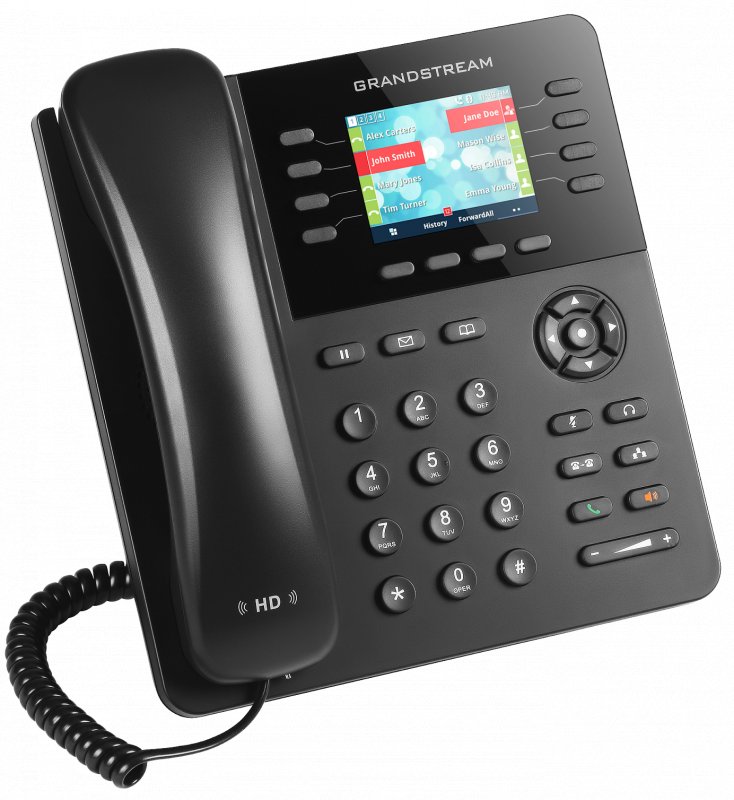
Charting the Path Forward: Embracing Innovation for Long-Term Success
Looking ahead, the role of modern business communication tools will only become more vital for organizations aiming to stay competitive. Companies that embrace cloud-based phone systems, integrated video conferencing, and AI-powered auto-attendants will be better positioned to adapt swiftly to changing market demands. These innovations are not mere upgrades; they form the backbone of a resilient, scalable, and professional communication infrastructure capable of supporting future growth and technological shifts.
Adopting these advanced solutions now creates a foundation for long-term success. Cloud platforms offer unmatched flexibility, enabling businesses to scale operations up or down as needed, without the delays or costs tied to traditional hardware. This agility allows organizations to expand into new markets, manage seasonal fluctuations, and respond to sudden customer expectations with ease—keeping them responsive and competitive at every turn.
Security will remain a key focus as these systems evolve. As cyber threats grow more sophisticated and compliance standards tighten, investing in encryption, secure cloud infrastructure, and regular updates becomes essential. Protecting sensitive data not only safeguards organizational integrity but also builds trust with customers, reinforcing a company’s reputation as a secure and reliable partner in a digital world.
Emerging technologies like AI, 5G, and quantum encryption promise to elevate business communication even further. AI analytics will enable smarter call routing and proactive customer engagement, while 5G networks support high-quality video, instant data sharing, and seamless mobile collaboration. Quantum encryption offers the potential for virtually unbreakable security, ensuring that sensitive information remains protected against evolving cyber threats. Integrating these innovations will create a communication ecosystem that’s not only smarter but also more secure and adaptable.
This continuous evolution requires a mindset open to ongoing innovation. Businesses that stay curious and invest in regular updates and training will unlock new opportunities for growth and differentiation. Viewing communication as a strategic asset—rather than a static tool—positions organizations to respond swiftly to disruptions, improve customer experiences, and foster internal agility.
By embracing this journey of constant improvement, companies can transform their communication infrastructure into a competitive advantage. They will be better equipped to navigate the complexities of a fast-changing digital landscape, enhancing resilience and driving sustained success. The future belongs to those who see innovation not as an endpoint but as an ongoing opportunity to connect, adapt, and thrive.