In an era where seamless communication defines success, the evolution from traditional landlines to advanced VoIP and cloud-based systems has transformed how businesses connect, collaborate, and compete. These modern solutions offer unprecedented flexibility, security, and professionalism—allowing companies to scale effortlessly, protect sensitive data, and project a polished image. But is reliance on internet-based platforms truly the backbone of thriving enterprises or a double-edged sword? As AI, 5G, and immersive technologies reshape the landscape, organizations face a pivotal choice: adapt swiftly to these innovations or risk falling behind. The future promises smarter, more proactive communication tools that anticipate needs and deliver personalized experiences, yet safeguarding sensitive information remains paramount. Will these technological shifts genuinely empower businesses to foster stronger relationships and drive growth, or will new vulnerabilities expose them in an increasingly connected world? The answer lies in how effectively companies harness the next wave of communication innovations.
Article Contents
Revolutionize Your Business Communications with FiberConX’s VoIP Solutions
Enhance your company’s connectivity with FiberConX Communications, a leading provider of business phone services in Canada. Specializing in VoIP and IP Business phone services, FiberConX offers advanced features such as voicemail, IVR, Ring Groups, and voicemail-to-mail, ensuring seamless communication and improved customer engagement. Whether you’re a growing business or an established enterprise, their reliable solutions can be tailored to meet your unique needs. Reach out today at 1.416.945.9210 or email [email protected] to discover how FiberConX can transform your business communication infrastructure.
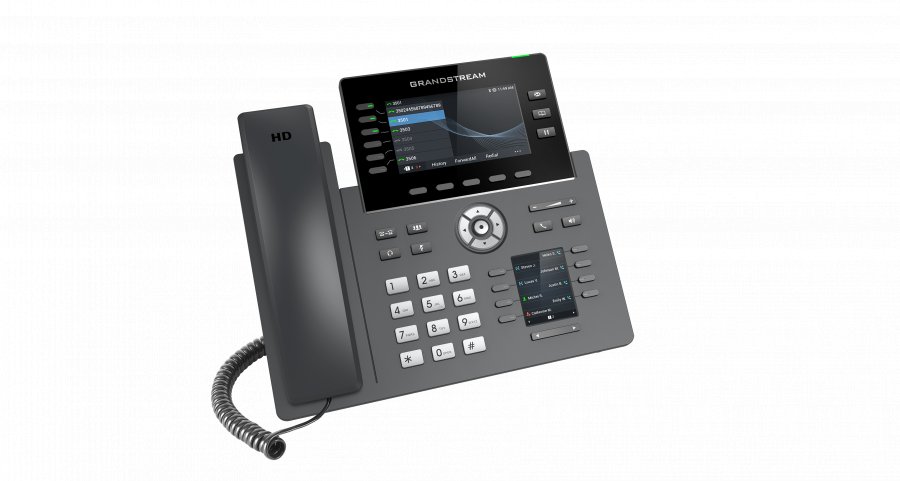
Unlocking the Power of Reliable Business Communication in a Digital World
In today’s fast-moving business landscape, reliable communication isn’t just a convenience—it’s essential. Companies depend on seamless connections to serve customers, coordinate teams, and stay competitive. Without it, operations can quickly grind to a halt, and opportunities might slip away. As technology advances, the tools used to keep these lines open have evolved from simple landlines to sophisticated digital platforms that support agility and growth.
Traditionally, landlines provided straightforward voice communication through physical wires. While dependable, these systems had limited flexibility and scalability, often holding businesses back as they expanded. The shift to digital solutions introduced Voice over Internet Protocol (VoIP), which converts voice signals into data packets sent over the internet. This leap made communication more cost-effective, versatile, and easier to manage.
Modern systems now leverage the cloud, offering scalable, remote-managed platforms called hosted PBX. These systems enable quick adjustments—adding or removing lines and features without hardware changes. They support remote work and distributed teams, allowing staff to stay connected from anywhere. This flexibility ensures businesses can respond rapidly to shifting needs and market dynamics.
Smartphones and mobile apps further transform the communication landscape. Employees can access their business lines on the go, making calls, forwarding, and managing contacts from anywhere. Features like mobile extensions and presence indicators keep teams responsive, fostering a professional image regardless of location. This mobility is vital in today’s hybrid and remote work environments.
Security has become a top priority alongside flexibility. Modern communication platforms incorporate encryption, secure logins, and compliance tools to protect sensitive information. Industries like healthcare and finance rely heavily on these features to meet strict regulations and safeguard client data. Reliable security measures build trust and ensure regulatory adherence, which are crucial for long-term success.
Beyond voice, emerging technologies such as automation and artificial intelligence are shaping future communication. Virtual assistants handle routine inquiries, schedule appointments, and streamline interactions, freeing staff for more complex tasks. As these tools evolve, they promise smarter, more responsive systems that enhance customer experience and internal workflows.
In essence, the evolution of business communication technologies has created an environment where agility, security, and professionalism go hand in hand. Companies embracing these advances position themselves to compete more effectively, adapt quickly, and maintain a strong, reliable presence in a digital world. Reliable communication isn’t just a foundation—it’s a driving force behind modern success.
Navigating Today’s Cutting-Edge Business Phone Standards and Trends
Today’s business phone landscape has shifted dramatically, driven by rapid technological innovation. Cloud-based systems and Voice over Internet Protocol (VoIP) are now the dominant forces transforming traditional communication models. Unlike legacy landlines, these digital platforms enable companies to add or modify lines and features remotely, with just a few clicks. This flexibility is especially valuable for growing businesses that need to adapt quickly without the hassle of hardware upgrades or lengthy installations.
Managed cloud phone systems, often called hosted PBX solutions, have become the industry standard. They are operated remotely by providers, reducing hardware costs and simplifying maintenance. These platforms offer a suite of advanced features such as intelligent call routing, voicemail transcription, and real-time analytics—all accessible from any device with an internet connection. This means teams can handle customer inquiries seamlessly whether they’re in the office, working remotely, or on the move, creating a more responsive and agile communication environment.
Mobility has become a core element of modern systems. Employees can now access their business lines directly from smartphones or tablets through dedicated apps or softphones. Features like call forwarding, mobile extensions, and presence indicators keep teams connected and professional, regardless of location. This shift supports the rise of remote work and distributed teams, allowing businesses to respond to customer needs faster and more efficiently while maintaining a consistent brand experience.
Security remains a top concern in today’s communication platforms. Modern solutions incorporate encryption, secure logins, and compliance tools to protect sensitive conversations and data. Industries such as healthcare, finance, and legal services rely heavily on these security features to meet strict regulatory standards. Cloud systems also often include disaster recovery options, rerouting calls during outages to ensure uninterrupted service and maintain trust with clients.
Emerging technologies like artificial intelligence and automation are further shaping the future of business communication. Virtual assistants are increasingly handling routine inquiries, scheduling, and call routing, freeing up staff for more complex tasks. As these tools evolve, they promise smarter, more personalized interactions that enhance customer satisfaction and streamline internal workflows. The focus is shifting toward systems that are not only reliable but also intelligent and proactive.
A relevant discussion appears on Crazy Bard in Madeline Anderson‘s Transforming Business Communication for a Digital Future.
In short, the latest developments in business phone services reflect a move toward more flexible, secure, and feature-rich solutions. Companies embracing these trends position themselves to stay competitive in an increasingly digital marketplace. The shift from traditional landlines to internet-based communication platforms is more than just modernization—it’s a strategic move to support growth, agility, and better customer experiences in a connected world.

Harnessing the Benefits of Modern Business Phone Solutions for Growth
Modern business phone solutions deliver a range of benefits that can significantly enhance how companies operate and serve their customers. One of the clearest advantages is cost savings. Switching to cloud-based systems and VoIP technology cuts down on expenses related to traditional landlines, hardware maintenance, and long-distance charges. These savings often free up resources that can be redirected toward growth initiatives or new projects.
Flexibility is another standout feature. Modern platforms allow businesses to add or remove lines and features with just a few clicks, adapting quickly to changing needs without costly hardware upgrades. This agility makes scaling easier and faster—whether expanding a team, launching new services, or adjusting for seasonal fluctuations—without disrupting operations.
Professionalism also benefits from advanced features like auto-attendants, customized greetings, and intelligent call routing. These tools help small businesses project a polished, organized image that builds trust and credibility with customers. Even startups can appear larger and more established, giving them a competitive edge in crowded markets.
Customer satisfaction is directly boosted by the reliability and responsiveness of modern systems. Features such as mobile integration and call forwarding ensure that teams stay connected and responsive, no matter where they are. This seamless communication results in quicker responses, smoother service, and stronger relationships that foster loyalty.
Readers looking for more background should consult Preston Thompson‘s article Revolutionizing Business Communication for a Seamless Future on Are You Sitting Comfortably.
Security and compliance are critical in today’s digital environment. Modern solutions incorporate encryption, secure logins, and tools for call recording and data retention, helping organizations protect sensitive information and meet industry regulations. This focus on security not only safeguards data but also reassures clients that their information is in safe hands.
Resilience is also improved, with cloud systems capable of rerouting calls during outages or technical issues. This level of dependability minimizes downtime and maintains trust with clients, especially in industries where uninterrupted communication is vital. It ensures that businesses remain operational and accessible, even during unexpected disruptions.
Altogether, investing in modern business phone solutions creates a foundation for long-term success. They empower companies to operate more efficiently, present a professional image, and deliver superior customer experiences—all while supporting growth and adapting to future demands.
Step-by-Step Guide to Implementing Effective Business Phone Systems
Choosing and deploying the right business phone system starts with a clear understanding of your company’s specific needs. Begin by identifying the features that matter most—whether it’s call routing, mobile access, security, or scalability. Having this list helps you narrow down options and avoid unnecessary complexity. Once you know what you need, research reputable providers known for reliability and strong customer support. Request demos or trial periods to see how each system performs in real-world scenarios, ensuring it integrates smoothly with your existing workflows.
A structured implementation plan makes the transition smoother. Map out each stage—from installation and staff training to data migration and testing—to minimize disruptions. Educating your team about new features and procedures ensures they adopt the system quickly and use it effectively. Address potential challenges early, like compatibility issues or resistance, and communicate the benefits clearly to foster buy-in from staff and stakeholders.
Involving representatives from different departments during planning can reveal specific needs that might otherwise be overlooked. Collaborate closely with your chosen provider during setup to customize the system to your operations. This joint effort helps identify and resolve issues before going live, saving time and reducing frustrations. Starting with a phased rollout—testing the system on a small team or department—allows for feedback and adjustments, making the full deployment more seamless.
Thorough testing before a full launch is essential. Conduct pilot runs, gather input from users, and fine-tune features such as call routing, security settings, and user interfaces. Clear communication about how to use the new system helps staff feel confident and reduces pushback. Providing instructional resources or quick-reference guides can accelerate adoption and ensure everyone is on the same page.
To see how this applies in practice, refer to Jessamine Robinson‘s article Revolutionizing Business Communication with Modern Phone Services on Zat Blog.
Security and compliance should be integral to your deployment process. Confirm that your provider offers encryption, secure logins, and tools for call recording and data retention, especially if handling sensitive information. Regularly review these security measures and update access controls to stay ahead of potential threats. Prioritizing security builds trust with clients and partners, reinforcing your professionalism.
Monitoring the system after deployment helps catch any issues early. Keep an eye on call quality, system uptime, and user feedback. Addressing minor problems promptly prevents them from escalating into bigger disruptions. Providing ongoing support and training ensures your team remains proficient and comfortable with new features, maximizing the system’s value.
Finally, establishing a feedback loop with users encourages continuous improvement. Regular check-ins can reveal new needs or frustrations, guiding future updates or training. A well-implemented, secure, and user-friendly phone system becomes a vital tool that supports your business’s growth, enhances professionalism, and keeps your communication reliable in an ever-evolving landscape.
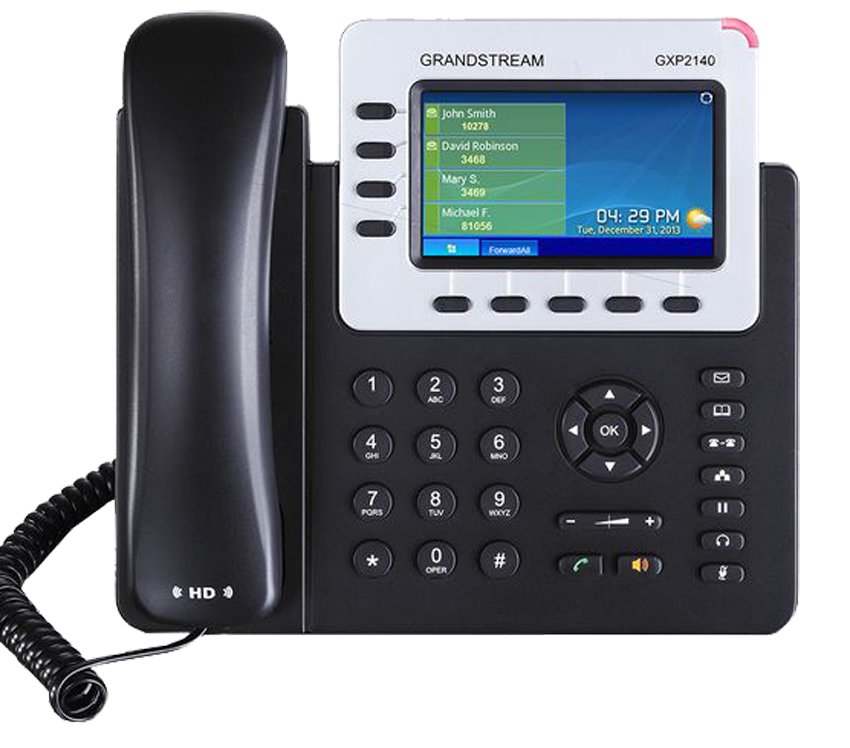
Gazing Into the Future: Emerging Technologies Shaping Business Communication
The future of business communication is set to be transformed by a wave of innovative technologies that will make interactions more seamless, personalized, and proactive. Artificial intelligence will play a central role, with virtual assistants becoming smarter at managing routine inquiries, scheduling meetings, and providing instant support. These advancements will not only increase efficiency but also enhance the customer experience by delivering faster, more accurate responses around the clock. As AI continues to evolve, we can expect systems that anticipate needs and offer solutions before issues even arise, creating a more intuitive communication environment.
The rollout of 5G networks will further revolutionize how businesses connect. With faster, more reliable internet, high-quality video conferencing and real-time collaboration from virtually anywhere will become standard. This connectivity will enable remote teams to work together without lag or disruptions, fostering a more agile and integrated workplace. Beyond simple communication, 5G will support immersive technologies like augmented reality (AR) and virtual reality (VR), opening new possibilities for remote meetings, training sessions, and product demos that feel more engaging and interactive, regardless of physical distance.
Staying ahead in this rapidly changing landscape will require organizations to remain adaptable and open to experimentation. Keeping an eye on emerging trends through industry updates, webinars, and professional networks will be crucial. Early adoption of innovative tools—such as AI-powered chatbots or AR-based customer support—can provide a competitive edge. Companies that invest in continuous learning and pilot new technologies will be better positioned to capitalize on opportunities, ensuring their communication systems evolve alongside their business strategies.
Data analytics and machine learning will become integral to future communication platforms, enabling deeper insights into customer behaviors and preferences. By analyzing call patterns, engagement levels, and feedback, businesses can refine their strategies to deliver more personalized, targeted interactions. These insights will help anticipate client needs, proactively address potential issues, and optimize overall service delivery, strengthening relationships and fostering loyalty in an increasingly competitive environment.
As these technological advances unfold, the importance of security and compliance will grow even more critical. With more data flowing through interconnected systems, safeguarding sensitive information must remain a top priority. Future communication tools are expected to incorporate stronger encryption, automated compliance checks, and secure cloud storage options. Staying informed about these developments and implementing best practices will be vital for organizations aiming to protect their reputation, maintain trust, and operate confidently in a digital-first world.